
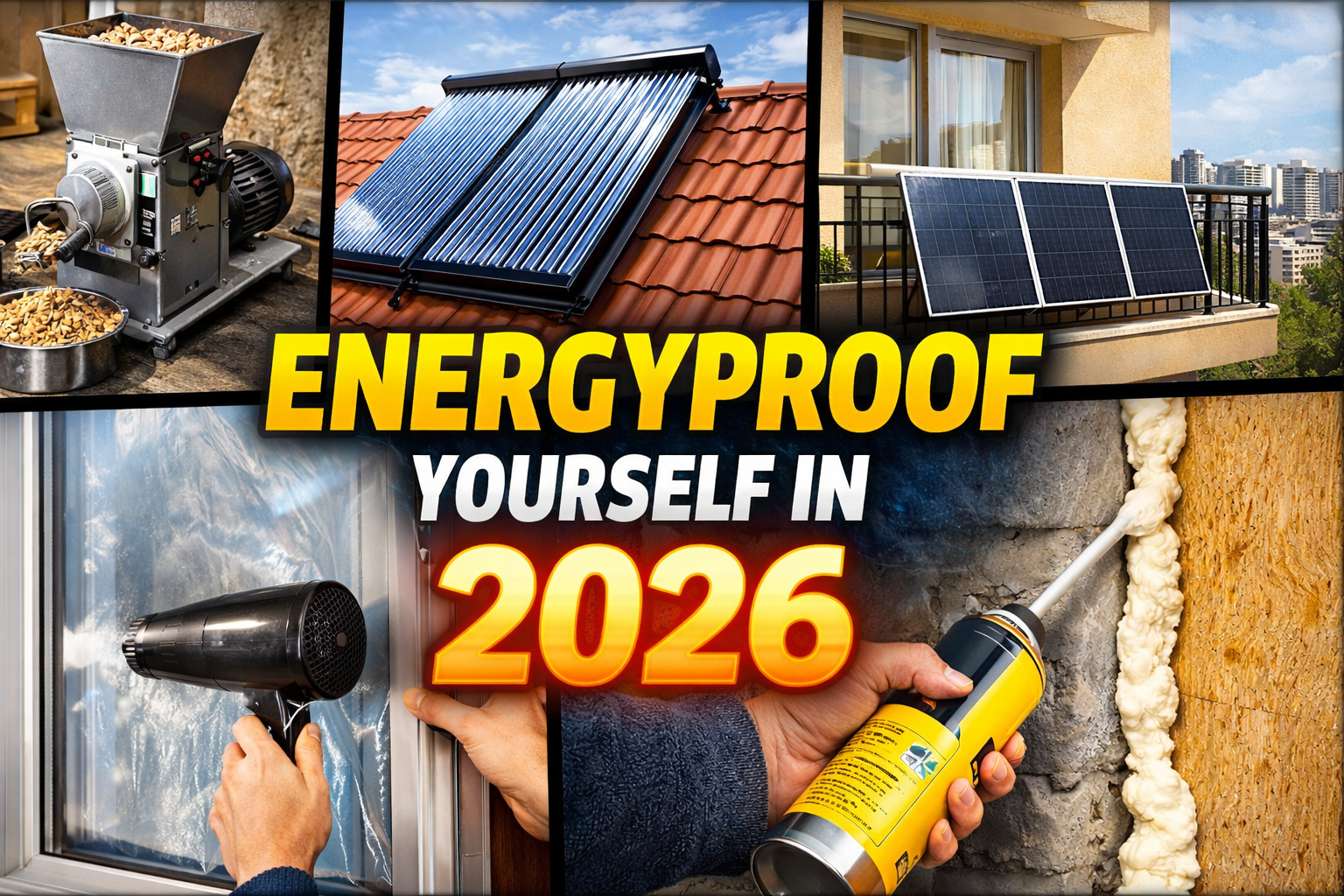
With global energy markets in constant turmoil in 2026 and “security of supply” dominating headlines, more people than ever are looking for a way to take control of their energy use.
The good news? You don’t need thousands of dollars to get started.
In fact, you can begin energy-proofing your life for as little as $10—and some of the most effective solutions are hiding in plain sight.
Start Here: Efficiency Before Generation
Before you even think about generating your own energy, you need to address a fundamental issue:
There is no point filling a bucket if it’s full of holes.
The biggest return on investment comes from reducing energy waste, not producing more energy.
In most homes, energy loss comes from two main sources:
- Inefficient appliances
- Heat loss
The Hidden Cost of Inefficient Appliances
Estimates suggest that up to 35% of home energy consumption is wasted, often due to outdated devices or appliances left on standby.
Easy wins:
- Upgrade old appliances
A refrigerator from the mid-2000s can use twice as much energy as a modern A-rated model. - Switch to LED lighting
If you’re still using incandescent or halogen bulbs, you’re essentially burning money. - Eliminate standby power drain
Devices left plugged in continue to consume electricity—even when “off.”
These are some of the fastest, simplest ways to reduce your energy bill immediately.
The Biggest Drain: Heat Loss
Heat loss is often invisible—but it’s the largest energy drain in most homes.
The three main problem areas:
- Roof / loft
- Walls
- Windows
Insulating Your Home (Without Overspending)
Roof and Loft Insulation
Traditional fiberglass rolls and boards are:
- Cheap
- Easy to install
- Highly effective
Spray foam insulation is powerful but expensive—sometimes costing up to nine times more than standard materials.
The Smart DIY Option: Spray Foam Cans
For small gaps and cracks, canned spray foam is a game-changer.
- Costs just a few dollars
- Seals holes up to 3 inches wide
- Perfect for hard-to-reach areas
This is one of the highest-impact fixes you can make on a tight budget.
The $10 Fix That Changes Everything
Here’s the surprising solution most people overlook.
If you have single-pane windows—and upgrading to double glazing isn’t feasible—there’s a simple alternative:
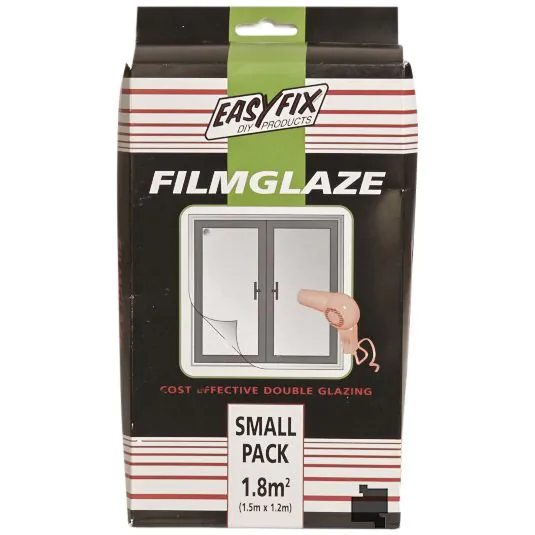
Secondary Glazing Film
For around $10, you can buy a kit that includes:
- Transparent insulating film
- Double-sided tape
How it works:
- Cut the film to fit your window
- Attach it to the frame
- Use a hair dryer to shrink it tight
The result?
A drum-tight, nearly invisible seal that creates a second thermal barrier—similar to double glazing.
The impact on heating bills can be dramatic—for the price of a sandwich.
Once You’ve Sealed the Leaks: Generate Your Own Energy
After improving efficiency, it finally makes sense to look at energy generation.
Scalable Solar: Start Small, Grow Over Time
Solar technology has become:
- More affordable
- Modular
- Widely accessible
System options:
- 3kW system → Ideal for smaller homes
- 5–10kW system → Moves you toward energy independence
If you own an electric vehicle, solar becomes even more powerful—allowing you to fuel your transport directly from your home.
No Roof? No Problem — Balcony Solar
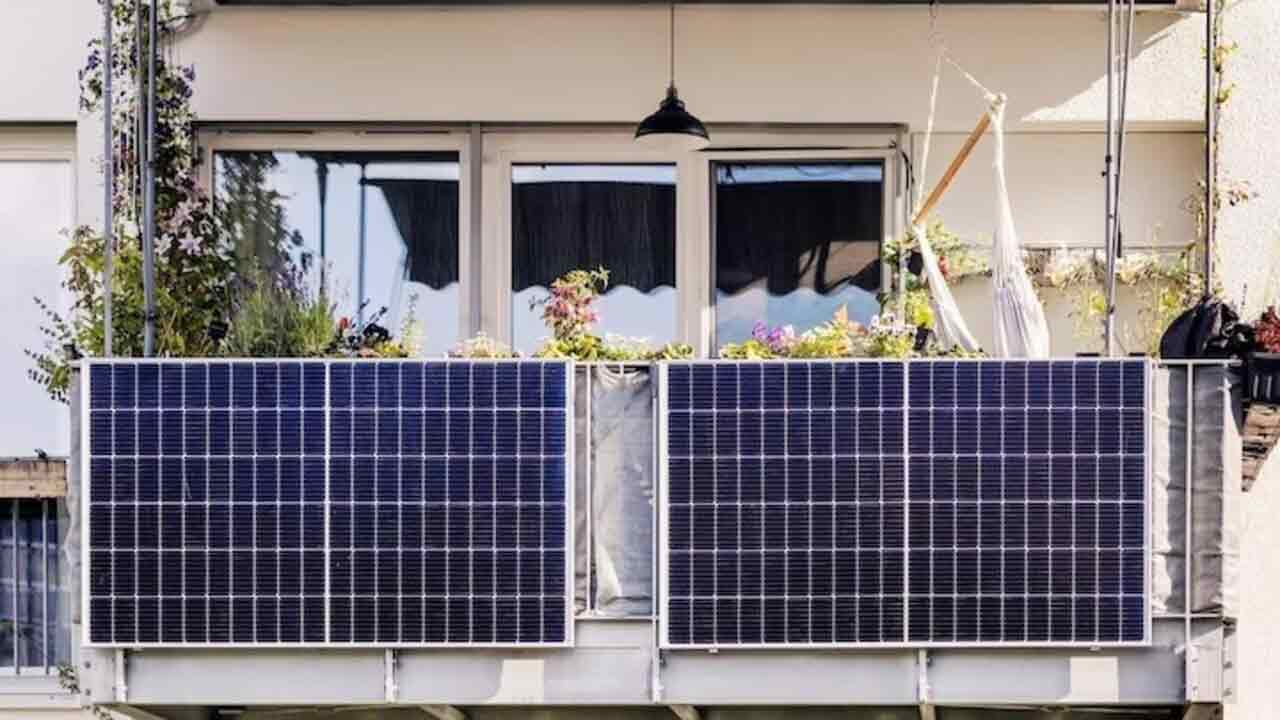
A growing trend, especially in Europe, is plug-and-play balcony solar systems.
- Output: 500W to 1kW
- Cost: ~$500–$1000
- Installation: Hang on railing, plug into outlet
These systems are simple, accessible, and expected to expand into more markets soon.
The Underrated Solution: Solar Thermal
In colder climates, heating accounts for over half of energy use.
That’s why solar thermal is one of the most overlooked solutions.
Options:
- Standalone hot water systems (~$200)
- Roof-mounted panels (~$100)
The main cost is installation, which usually requires a professional plumber.
Still, the long-term savings can be significant.
Solar Air Heating: Simple and Effective
Solar air heating panels are another low-cost option.
- Modern units available for under $350
- Some DIY versions use recycled materials like soda cans
- Ideal for supplementing indoor heating
Micro-Wind: A Niche but Growing Option
Small-scale wind turbines haven’t gone mainstream for urban homes yet.
However, for rural properties:
- 10kW systems can complement solar
- Particularly effective during winter months
The Wildcard: Your Own DIY Fuel Factory
One of the most unconventional solutions is also one of the most interesting.
For around $400, you can buy a desktop wood pellet machine.
What it does:
- Converts dried leaves and garden waste into fuel pellets
Pair it with a pellet burner (~$100), and you have a heating system powered by your own organic waste.
Just ensure proper ventilation and safe smoke exhaust.
Final Thoughts: Start Small, Scale Smart
Energy-proofing your life doesn’t require a massive upfront investment.
Start with the basics:
- Seal energy leaks
- Improve efficiency
- Add generation gradually
Even a $10 fix can make a noticeable difference.
The key is to take the first step—and build from there.