
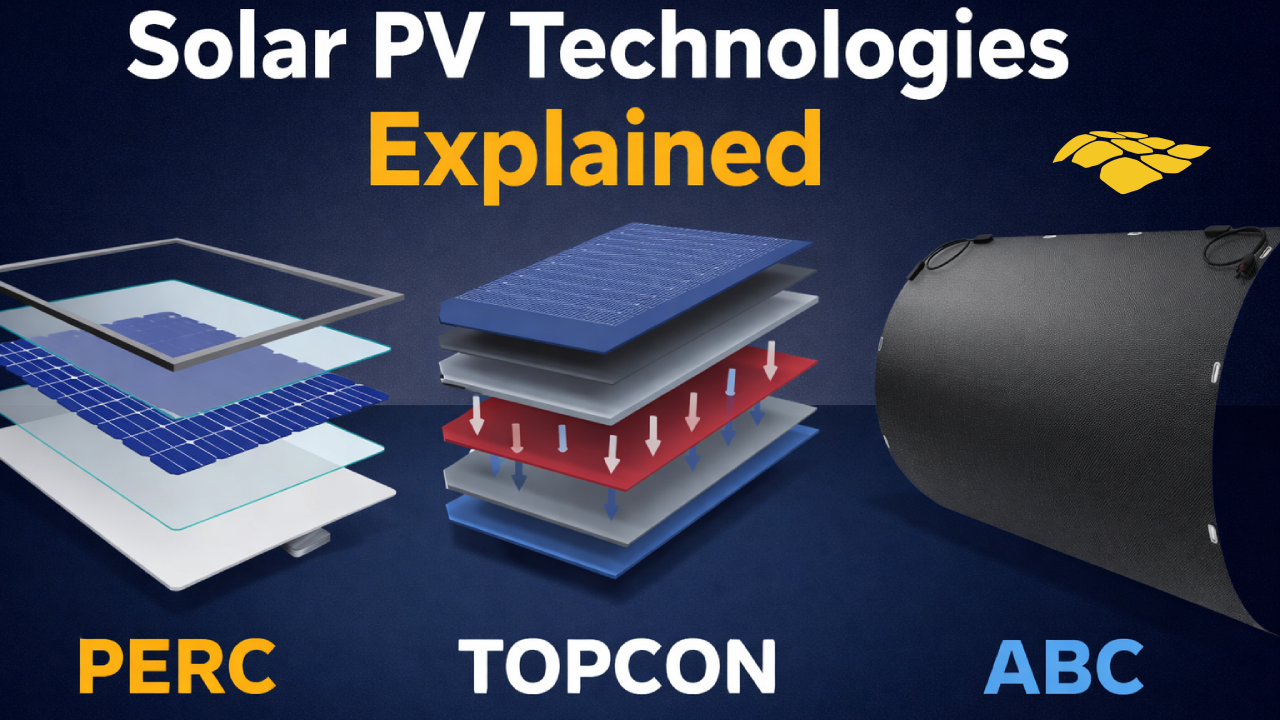
Absolutely—here’s your script converted into a clean, readable web article with a professional, explainer-style flow that works well for blogs, LinkedIn articles, or a company website.
PERC vs TOPCon vs ABC: Understanding Modern Solar Panel Technologies
If you’ve been shopping for solar panels recently, you’ve probably seen terms like PERC, TOPCon, and ABC listed in specifications. These aren’t just marketing labels—they represent real technological shifts in how solar cells are designed and how efficiently they convert sunlight into electricity.
To understand which technology offers the best value today, it helps to look at how solar cell design has evolved and how close modern panels are to the physical limits of silicon itself.
The Long Push Toward Higher Efficiency
For decades, silicon solar technology has followed a steady path of improvement. The goal has always been simple: extract more electrical energy from the same amount of sunlight. Early solar cells were limited by two major losses—light that wasn’t absorbed and electrical energy that recombined before reaching the contacts.
Modern solar technologies are essentially different strategies for minimizing those losses through smarter cell architecture rather than radically new materials.
PERC: The Foundation of Modern Solar


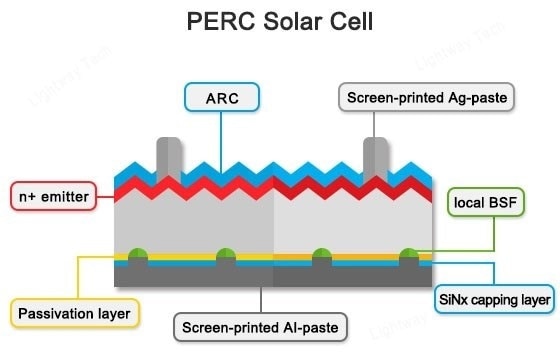
One of the most important breakthroughs of the past decade was PERC, or Passivated Emitter and Rear Cell technology.
PERC cells add a passivation layer to the back of the solar cell. This layer reflects unused light back into the silicon and reduces electron recombination losses. That relatively simple change pushed commercial panel efficiencies beyond 20 percent and helped make solar more affordable worldwide.
For many years, PERC was the dominant solar technology due to its excellent balance of performance, reliability, and cost. However, as manufacturers refined the design, PERC began approaching its practical efficiency ceiling.
TOPCon: The New Industry Standard

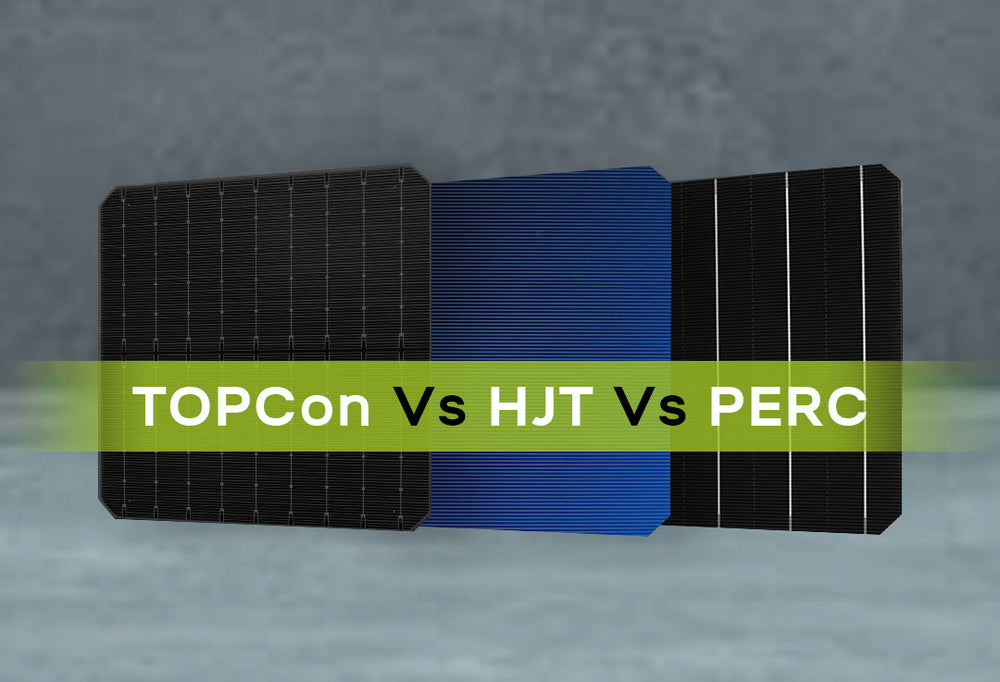
The next major step forward is TOPCon, short for Tunnel Oxide Passivated Contact.
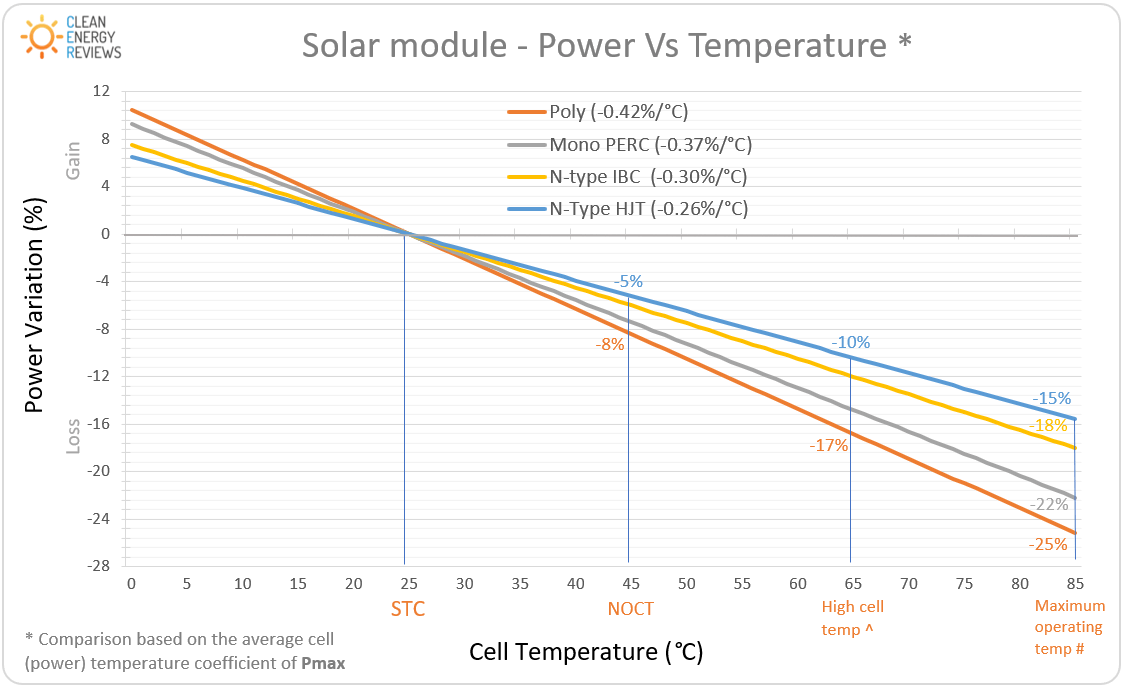
TOPCon technology builds on PERC by adding an ultra-thin oxide layer combined with highly conductive contacts. This structure allows electrons to pass through efficiently while blocking recombination losses even more effectively. The result is higher efficiency, better temperature performance, and improved long-term stability.
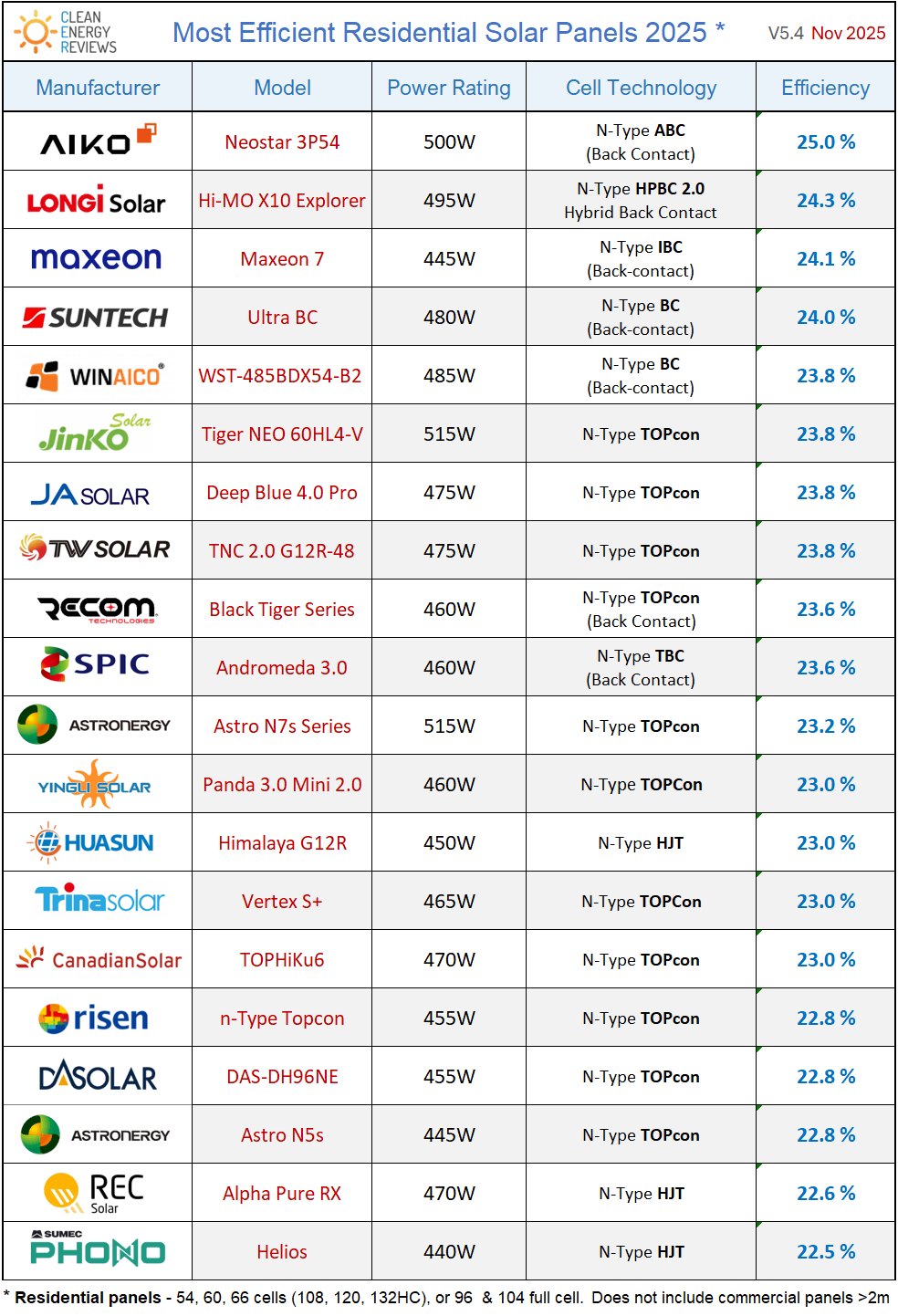
A major reason TOPCon is spreading so quickly is manufacturing practicality. Many existing PERC production lines can be upgraded to produce TOPCon cells, allowing manufacturers to improve performance without starting from scratch. Today, TOPCon panels are reaching efficiencies of around 23.5 percent, making them a strong all-around choice for most installations.
ABC: Maximum Efficiency, Premium Cost

At the cutting edge of silicon solar technology is ABC, or All Back Contact design.
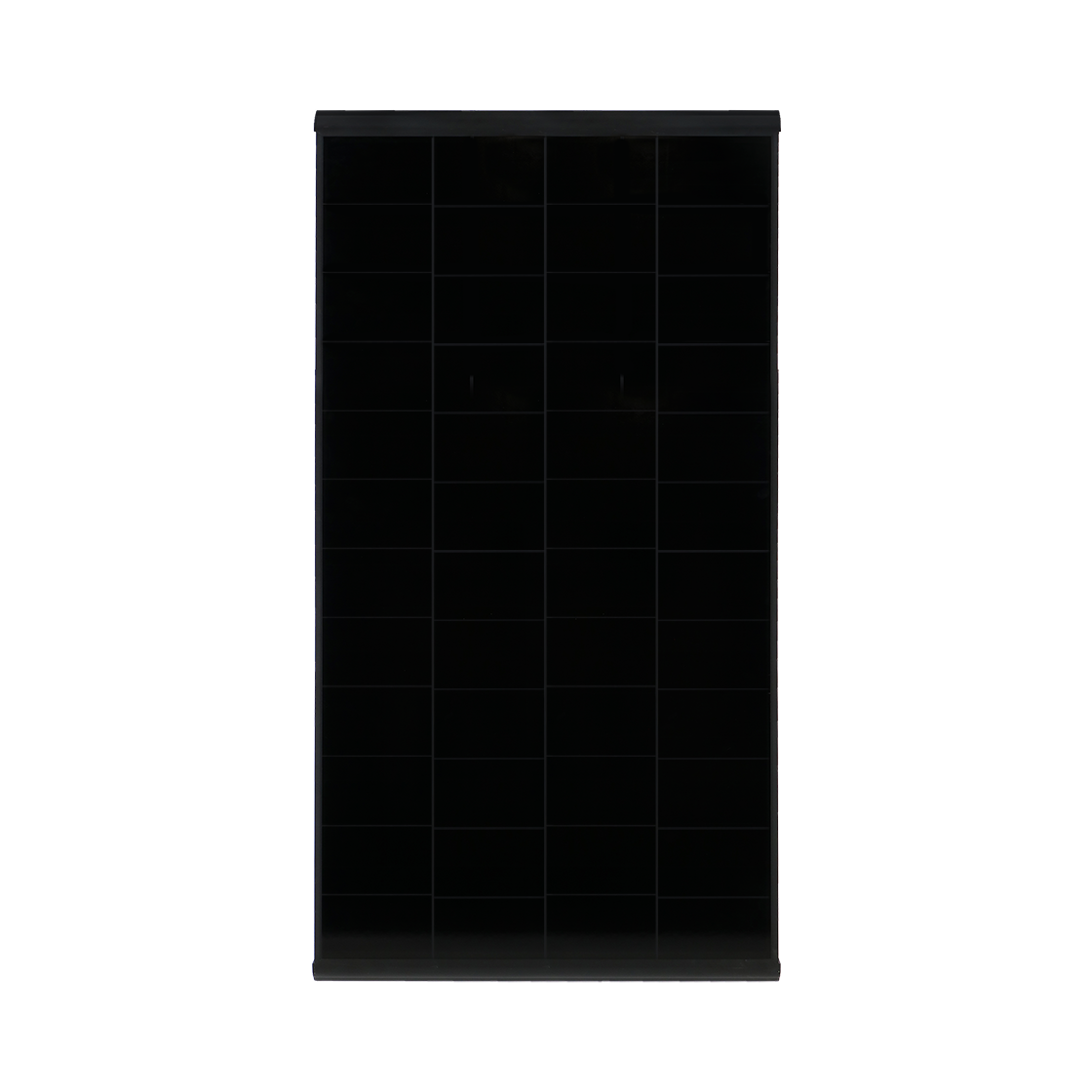
ABC cells move all electrical contacts to the rear of the cell. With no metal grid shading the front surface, more sunlight reaches the active silicon, enabling the highest efficiencies currently available in commercial silicon panels. These panels also have a sleek, uniform appearance that many homeowners find appealing.
The trade-off is complexity and cost. Manufacturing ABC cells requires extremely precise alignment and advanced production techniques, which keeps prices higher. Currently, this technology is offered commercially by manufacturers such as Aiko Solar, with panel efficiencies reaching 25.2 percent.
How Close Are We to the Limit?
Silicon solar cells are approaching a fundamental boundary known as the Shockley–Queisser limit, which caps single-junction silicon cell efficiency at roughly 29 percent.
With today’s best commercial panels already achieving 24 to 26 percent efficiency, we have captured nearly ninety percent of what silicon can theoretically deliver. At this stage, progress is no longer about dramatic leaps—it’s about precision engineering, better materials, and smarter designs that squeeze out incremental gains.
What This Means When Buying Solar Panels
When choosing solar panels today, efficiency numbers alone don’t tell the full story.
- PERC remains a proven and cost-effective option, especially for budget-conscious projects.
- TOPCon offers an excellent balance of higher efficiency, durability, and long-term performance, making it the current sweet spot for most buyers.
- ABC delivers the highest efficiency available but comes at a premium, best suited for space-limited installations or performance-focused buyers.
Beyond technology type, it’s also important to consider temperature coefficients, degradation rates, and real-world performance over time. Higher-efficiency cells often maintain output better in hot climates and over decades of use.
The Future of Silicon Solar
The solar industry is no longer chasing efficiency alone. Today’s innovations focus on extracting every possible electron through refined architectures and manufacturing precision.
Silicon may be approaching its theoretical ceiling, but innovation hasn’t slowed down—it has simply become more exact, more deliberate, and more impressive than ever.